COMMERCIAL HVAC + REFRIGERATION
Good air.
Business as usual.
Climate systems for the spaces, people and equipment your business depends on.
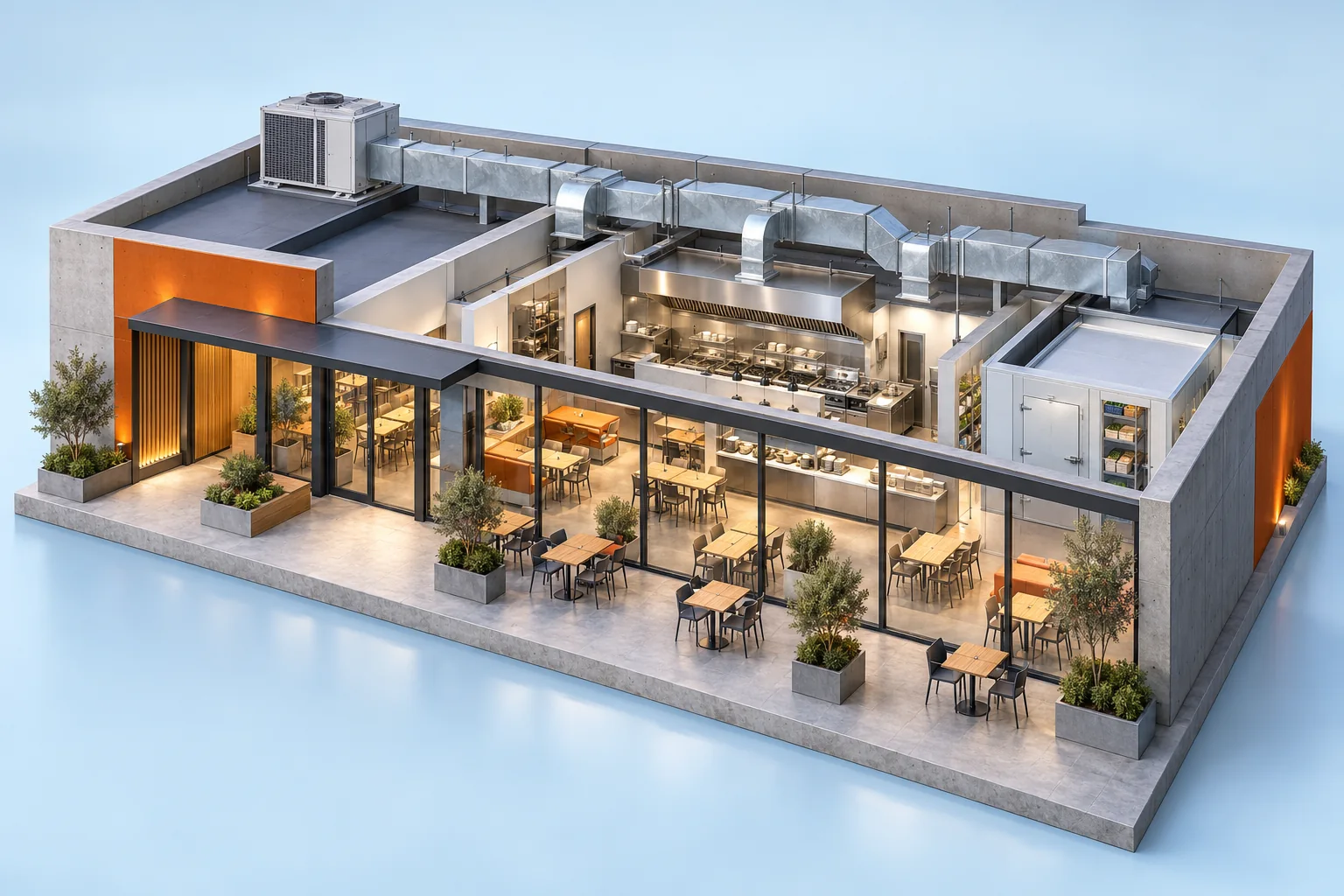
Start with the space people use.
Operating hours, occupancy and the existing air system shape a useful comfort conversation.
Spatial illustration. A site review defines the actual system and service scope.
WHERE SHOULD WE START?
Three ways into a clearer plan.
A space that
works for people.
Commercial cooling, ventilation and system review.
Explore commercial HVAC 02 / COLDCold systems.
Connected thinking.
Cold rooms, display refrigeration and operating context.
Explore refrigeration 03 / CAREThe plan behind
the next visit.
Asset lists, service records and practical access arrangements.
Plan your maintenanceBEHIND THE COLD
One circuit.
Four connected jobs.
Refrigeration moves heat. Understanding the whole circuit makes the service conversation more useful.
See our refrigeration scopeCompressor
Circulates refrigerant and raises its pressure, connecting the low- and high-pressure sides of the system.
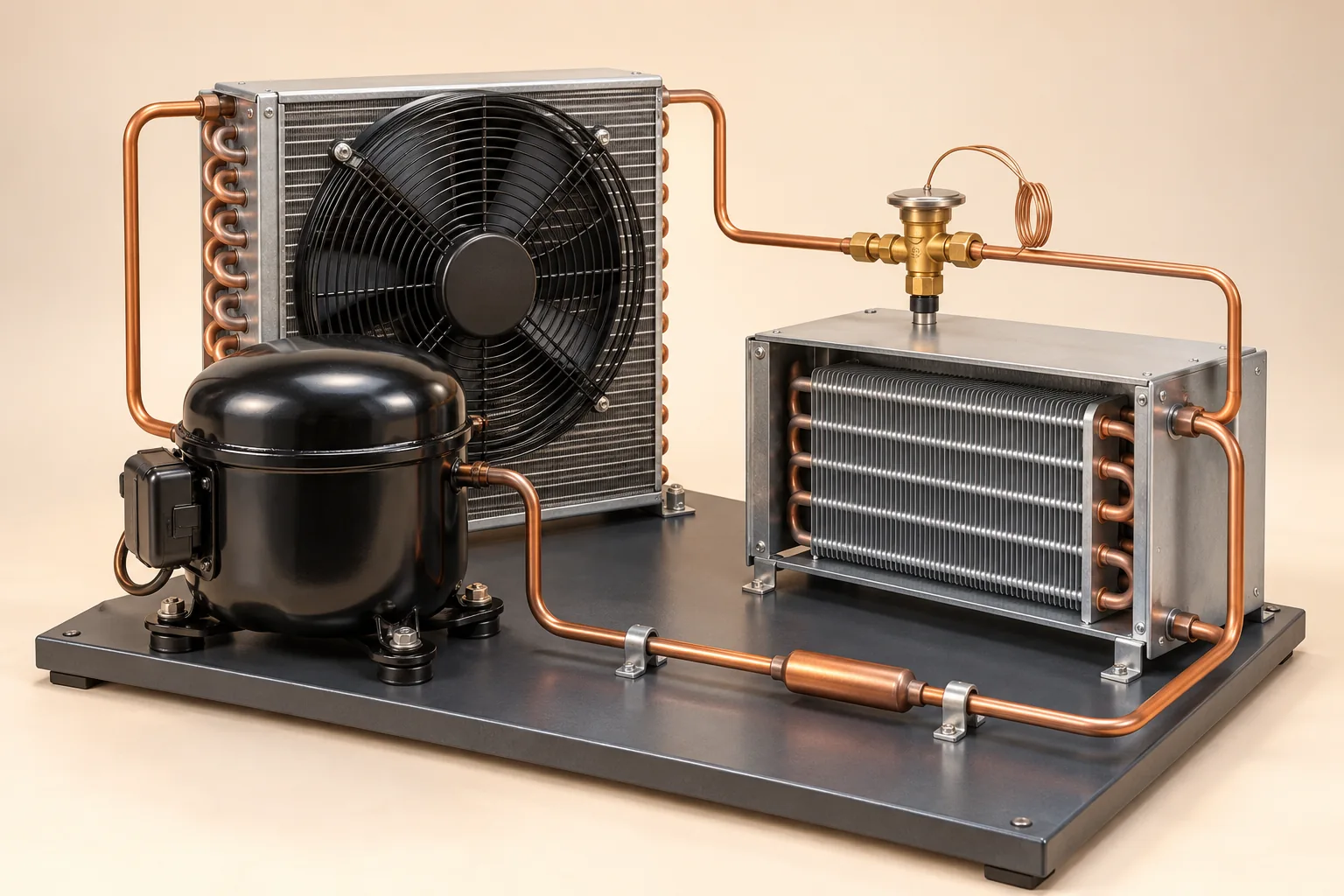
Simplified system explanation. Not a diagnostic tool, piping design or operating guide.
GOOD SERVICE BEGINS BEFORE THE VISIT
Know the site.
Keep the context.
A useful brief gives the team more than a symptom. It connects the asset, the operating pattern and the next responsible person.

Bring the details
that change the plan.
- 01Identify the asset.
Location, system reference and available records.
- 02Describe the observation.
What was noticed, when and under which operating conditions.
- 03Agree the review.
Responsible contacts, access arrangements and next decisions.
LOOK BEYOND THE UNIT
The route matters
as much as the source.
Different spaces create different demands. Explore the relationship between a duct junction, its dampers and the routes it serves.
Make the
air path visible.
Move the control to see the branch emphasis and damper position change.
The balanced illustration shows both routes. Actual airflow requirements need an engineering review.
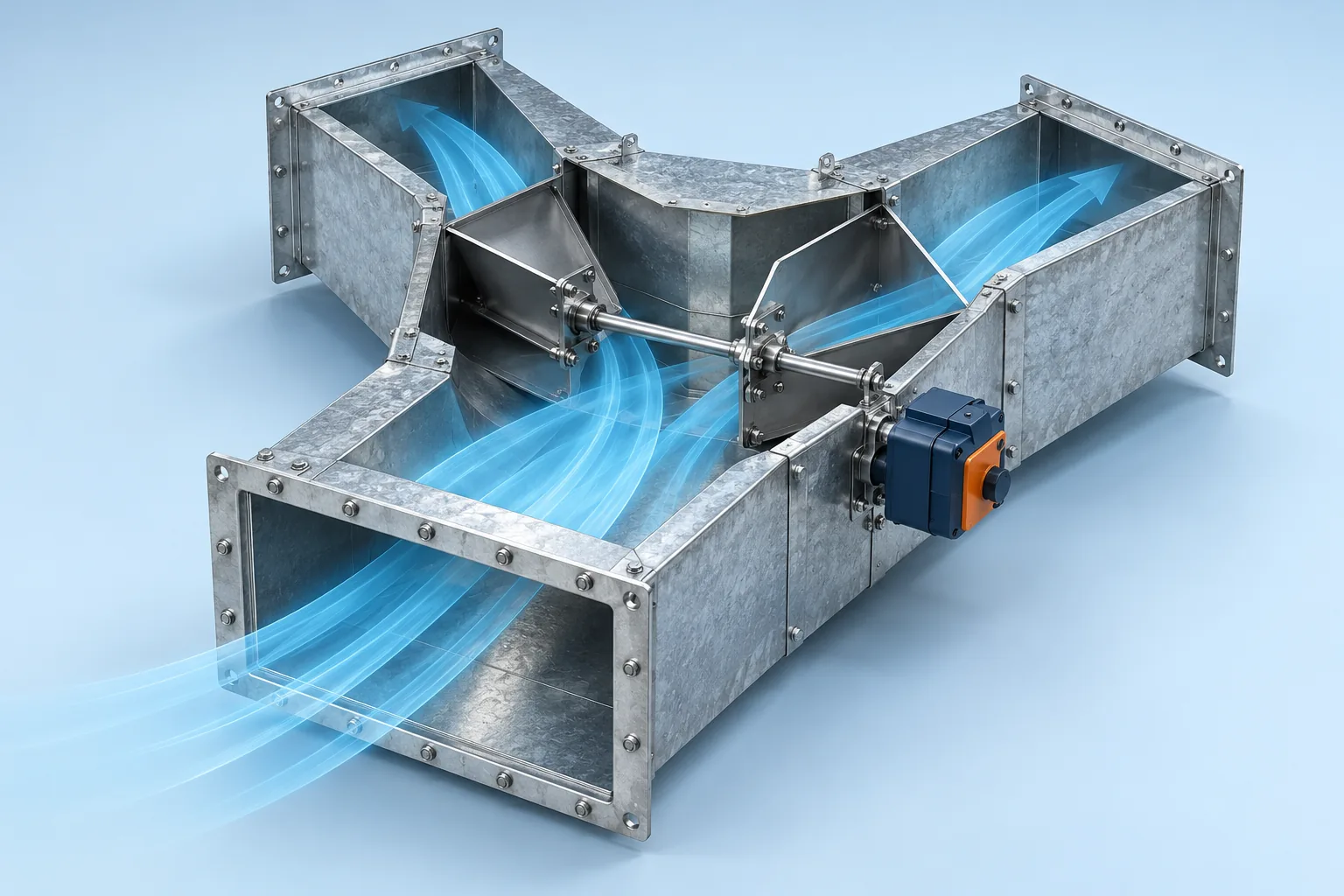
Qualitative illustration only. No airflow, pressure, capacity or control setting is calculated.
ONE SITE. DIFFERENT PRIORITIES.
Eastbank Food Hall.
Three systems to understand.
Public seating, kitchen extract and a cold room share a facility—but each needs its own equipment context and review.
Open the site deskPublic seating
Cooling & ventilation
Kitchen extract
Access & service context
Cold-room system
Reported variation / SR-118
Example site records. No diagnosis, resolved issue or confirmed service visit.
A CLEARER WAY TO START
Tell us the situation.
Find the next conversation.
The TEMPER Guide helps organise a requirement or reported concern into useful starting questions.
AI feature preview. Prepared guidance, no live AI or fault diagnosis.
What should a service request include?
The site and asset reference, a factual observation, operating context, available records and a responsible contact. Share the information you have; missing details can be identified during the review.
Can HVAC and refrigeration sit within one plan?
Start with a common asset register, then agree the appropriate scope, responsible team and review requirements for each system. Different equipment does not automatically have the same maintenance needs.
Will this website diagnose the problem?
No. The guide and site tools organise a service brief. Diagnosis, safe access, work scope and release decisions belong to qualified personnel using the appropriate site and equipment information.
How is a maintenance plan agreed?
Review the asset list, operating hours, access arrangements, existing records and responsible contacts. The team then agrees a site-specific scope and schedule; this page does not book visits or promise coverage.
START WITH THE SPACE YOU KNOW
What does your
site need next?
A system review, a refrigeration concern or a clearer maintenance plan. Bring the context. Start the conversation.
Build your service brief Explore planned maintenance