
Google processes billions of searches every day, connecting users with the most relevant, trustworthy, and helpful information available online. However, not every website deserves to appear in search results. Some attempt to manipulate rankings using spam tactics such as buying backlinks, publishing automatically generated low-quality content, keyword stuffing, cloaking, or creating deceptive pages solely to attract search traffic.
To protect users from these manipulative practices, Google has developed increasingly sophisticated spam detection systems. One of the most powerful among them is Google SpamBrain.
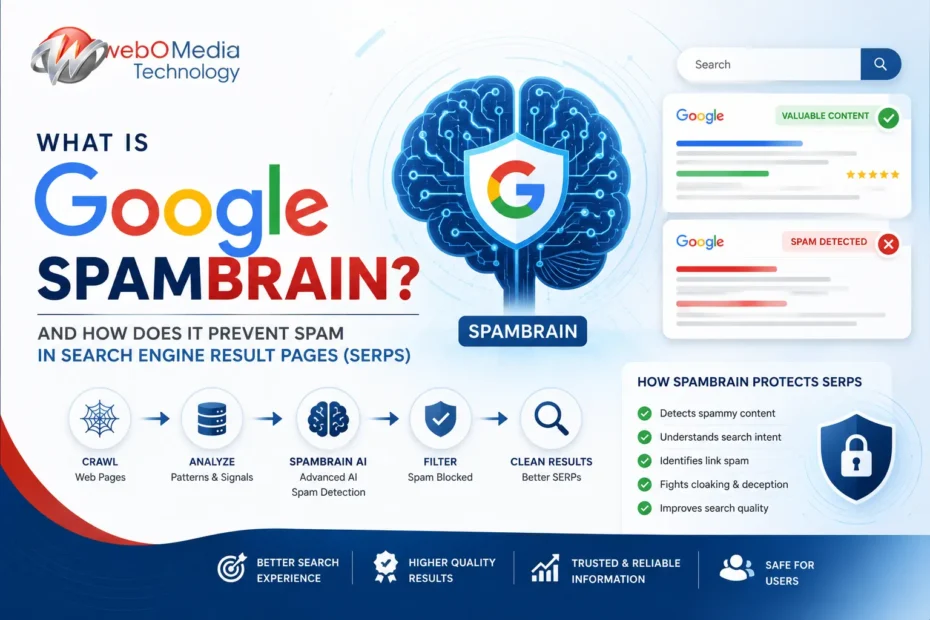
Unlike traditional spam filters that relied heavily on predefined rules, SpamBrain uses advanced artificial intelligence and machine learning to detect patterns of web spam, identify manipulative SEO practices, and prevent low-quality pages from ranking in Search Engine Result Pages (SERPs).
Understanding how SpamBrain works is essential for website owners, SEO professionals, bloggers, and digital marketers. It not only explains why some websites lose rankings after updates but also highlights the importance of following ethical SEO practices that prioritize users over search engines.
In this comprehensive guide, you’ll learn what Google SpamBrain is, how it works, what types of spam it detects, how it impacts SEO, and the best practices to keep your website compliant with Google’s latest search quality standards.
What Is Google SpamBrain?
Google SpamBrain is an AI-powered spam prevention system that helps identify and reduce spammy websites in Google’s search results. It uses machine learning to recognize patterns commonly associated with manipulative SEO tactics and automatically prevents those pages from gaining or maintaining high rankings.
Rather than relying only on manually programmed rules, SpamBrain continuously learns from new spam techniques. This enables Google to detect increasingly sophisticated forms of manipulation that traditional systems might miss.
SpamBrain was originally introduced to combat link spam but has evolved into a comprehensive system capable of identifying many different forms of web spam across Google’s search ecosystem.
Its primary objective is simple:
Deliver more helpful, trustworthy, and relevant search results while reducing the visibility of websites that attempt to manipulate rankings.
Why Did Google Create SpamBrain?
As search engines became more sophisticated, so did spam techniques.
Website owners looking for shortcuts began using manipulative strategies such as:
- Buying backlinks
- Building Private Blog Networks (PBNs)
- Publishing automatically generated content
- Keyword stuffing
- Cloaking
- Hidden text
- Link exchanges
- Spammy guest posting
- Thin affiliate pages
- Expired domain abuse
Traditional spam detection methods struggled to keep pace with these constantly evolving tactics.
Google developed SpamBrain to solve this problem by allowing artificial intelligence to identify suspicious behavior automatically instead of relying solely on manually defined spam rules.
This AI-driven approach allows Google to adapt much more quickly as new spam techniques emerge.
How Does Google SpamBrain Work?
SpamBrain uses machine learning algorithms to analyze enormous amounts of data across the web. Instead of evaluating only individual pages, it looks for patterns that indicate manipulation.
The system examines numerous signals, including:
- Link quality
- Website reputation
- Content originality
- User-focused value
- Spam behavior patterns
- Link manipulation
- Domain relationships
- Content quality indicators
As SpamBrain processes more information, it continuously improves its ability to distinguish between genuine websites and those attempting to manipulate search rankings.
Unlike manual penalties, many SpamBrain actions occur automatically, allowing Google to reduce spam at scale without human intervention.
The goal isn’t to punish websites—it is to ensure users receive the most helpful search results.
Types of Spam Google SpamBrain Detects
SpamBrain has evolved far beyond identifying simple keyword stuffing. Today, it can recognize a wide variety of manipulative SEO practices.
Some of the most common include:
1. Link Spam
Artificial backlinks remain one of the biggest targets for SpamBrain.
Examples include:
- Paid backlinks
- Link farms
- Private Blog Networks (PBNs)
- Excessive reciprocal linking
- Spam directory submissions
Rather than counting the number of backlinks, Google increasingly evaluates whether links were earned naturally.
2. AI-Generated Spam Content
Google does not penalize content simply because AI assisted in creating it. However, SpamBrain can identify content created primarily to manipulate rankings rather than help users.
Examples include:
- Mass-produced articles with little value
- Automatically generated pages without editing
- Thin content created for keywords only
- Repetitive AI content lacking originality
Helpful, accurate, well-edited AI-assisted content remains acceptable when it serves users first.
2. Keyword Stuffing
Repeating the same keyword excessively is an outdated SEO tactic. SpamBrain recognizes unnatural keyword usage and favors content written naturally for readers instead. Rather than focusing on keyword frequency, Google evaluates topical relevance and overall usefulness.
3. Cloaking
Cloaking occurs when websites show different content to search engines than to human visitors. This deceptive practice violates Google’s Search Essentials and is a common target for SpamBrain.
4. Hidden Text and Hidden Links
Some websites attempt to hide keywords or links by matching text colors with the background or placing invisible elements on a page. SpamBrain identifies these deceptive techniques and reduces their effectiveness.
5. Expired Domain Abuse
Some marketers purchase expired domains solely because they previously had strong authority. They then publish unrelated content to benefit from existing backlinks. SpamBrain has become increasingly effective at recognizing and neutralizing this practice.
6. Thin Affiliate Content
Affiliate websites that simply copy manufacturer descriptions or provide little original value may struggle under SpamBrain. Successful affiliate websites add:
- Original reviews
- Personal experience
- Product comparisons
- Expert recommendations
- Helpful buying advice
Google rewards content that genuinely assists users in making informed decisions.
How SpamBrain Impacts SEO
SpamBrain has significantly changed how modern SEO works. Instead of rewarding websites that manipulate ranking factors, Google increasingly favors websites demonstrating expertise, trustworthiness, and user value.
For ethical websites, SpamBrain is beneficial because it removes low-quality competitors from search results. For websites relying on shortcuts, however, SpamBrain can result in:
- Reduced rankings
- Lost organic traffic
- Devalued backlinks
- Lower domain trust
- Reduced visibility across SERPs
The long-term trend is clear: sustainable SEO consistently outperforms manipulative optimization.
Google SpamBrain and Link Spam
One of SpamBrain’s most significant responsibilities is combating link spam. In the past, many websites achieved rankings simply by acquiring thousands of backlinks. Today, Google evaluates:
- Link relevance
- Editorial value
- Natural acquisition
- Website authority
- Linking patterns
Instead of rewarding artificial links, SpamBrain often ignores or neutralizes manipulative backlinks altogether. This means businesses should focus on earning links through quality content, digital PR, and genuine industry recognition.
Does SpamBrain Penalize AI Content?
This is one of the biggest misconceptions in modern SEO. SpamBrain does not target AI-generated content itself. Instead, it evaluates whether the content is:
- Helpful
- Accurate
- Original
- Trustworthy
- Created for users
If AI is used responsibly with human editing, expert review, and original insights, the content can perform exceptionally well. Problems arise only when AI is used to mass-produce low-value pages solely for ranking purposes.
Best Practices to Stay Safe from SpamBrain
Rather than worrying about SpamBrain updates, website owners should focus on creating websites that genuinely deserve to rank. Some proven best practices include:
- Publish original, people-first content.
- Demonstrate real expertise and experience.
- Avoid buying backlinks.
- Build links naturally.
- Update outdated content regularly.
- Improve page speed and Core Web Vitals.
- Optimize for user intent.
- Remove thin or duplicate pages.
- Maintain a logical site structure.
- Perform regular SEO audits.
These practices not only align with SpamBrain but also improve overall user satisfaction.
Common Mistakes That Trigger Spam Signals
Many ranking problems stem from avoidable SEO mistakes. Some of the most common include:
- Publishing hundreds of low-quality AI articles.
- Keyword stuffing.
- Purchasing backlinks.
- Using PBNs.
- Creating doorway pages.
- Publishing duplicate content.
- Copying competitor articles.
- Hiding text or links.
- Ignoring technical SEO.
- Prioritizing rankings over user experience.
Avoiding these practices significantly reduces the risk of losing visibility.
Why EEAT Matters More Than Ever
SpamBrain works alongside Google’s broader quality systems, which increasingly emphasize Experience, Expertise, Authoritativeness, and Trustworthiness (EEAT).
Websites demonstrating genuine expertise through original insights, accurate information, transparent authorship, and valuable resources are more likely to earn long-term visibility.
Rather than trying to outsmart algorithms, businesses should focus on becoming trusted sources within their industry. Strong EEAT not only improves rankings but also increases user confidence and brand credibility.
The Future of Spam Detection in Google Search
Google continues investing heavily in artificial intelligence to improve search quality. Future spam detection systems are expected to become even more effective at identifying:
- AI-generated spam at scale
- Manipulative link networks
- Fake authority signals
- Low-value content farms
- Deceptive SEO tactics
As these systems evolve, websites that consistently prioritize users will have a significant competitive advantage. The future of SEO belongs to businesses that combine helpful content, technical excellence, and authentic expertise.
Frequently Asked Questions
1. What is Google SpamBrain?
Google SpamBrain is an AI-powered spam detection system that identifies and reduces spammy websites, manipulative SEO practices, and low-quality content in Google’s search results.
2. Does SpamBrain penalize AI-generated content?
No. SpamBrain evaluates content quality rather than the method used to create it. Helpful, original, and well-edited AI-assisted content can perform well in Google Search.
3. What types of spam does SpamBrain detect?
SpamBrain detects link spam, keyword stuffing, cloaking, hidden text, thin content, expired domain abuse, automatically generated spam, and other manipulative SEO practices.
4. How can I protect my website from SpamBrain?
Focus on creating people-first content, earning natural backlinks, improving technical SEO, demonstrating expertise, and following Google’s Search Essentials.
5. Is SpamBrain part of every Google update?
SpamBrain continuously operates within Google’s ranking systems and is also improved through dedicated spam updates that enhance its ability to detect evolving spam techniques.
Final Thoughts
Google SpamBrain represents a major shift in how search quality is maintained. Instead of relying on static rules, Google now uses advanced machine learning to identify manipulative SEO tactics and reward websites that provide genuine value to users.
For businesses and content creators, the message is clear: shortcuts no longer deliver sustainable results. Building original, trustworthy, and user-focused content is the most effective way to earn long-term visibility in Search Engine Result Pages (SERPs).
As Google’s AI systems continue to evolve, success in SEO will increasingly depend on expertise, authenticity, and a commitment to helping users—not on attempting to manipulate algorithms. Websites that embrace these principles will be best positioned to grow their organic traffic and maintain strong search performance in the years ahead.